All posts by sudokuo

Sudokuo Editorial Team is a group of puzzle researchers, game designers, and logic enthusiasts with years of experience analyzing Sudoku patterns, difficulty design, and cognitive problem-solving techniques. The team regularly studies how logic-based games like Sudoku improve concentration, reasoning skills, and mental clarity across different age groups. Every article published on Sudokuo is reviewed for logical accuracy, educational value, and player usability, ensuring content is both trustworthy and practical. Sudokuo focuses on creating and analyzing puzzles that are 100% logically solvable, without guessing, and suitable for beginners as well as advanced players.

Claude AI vs ChatGPT 2025: Full Comparison of Features, Pricing, Pros & Cons

🤖 Introduction: The AI Showdown Everyone is Talking About

Two heavyweight contenders are dominating the AI battlefield in 2025 — Claude AI by Anthropic and ChatGPT by OpenAI this blog for Claude AI vs ChatGPT.

Just a few years back, asking an AI to write your emails or code your website felt otherworldly. Today? No big deal. But which AI tool really leads the charge in 2025?

Whether you are a developer, business owner, student, or just a curious tech lover, let this breakdown of Claude AI vs ChatGPT 2025 help you figure which tool fits your needs best! 🚀


🔎 Claude AI vs ChatGPT 2025: Exploring Claude AI (The Flagship Product by Anthropic)

📜 A Brief Textual History of Claude AI

Claude AI was created by Anthropic, a company founded by ex-members of OpenAI, who developed Claude utilizing “Constitutional AI,” specializing in ethical alignment, safety, and non-toxic outputs.


🌟 Key Attributes for 2025

  • Claude 3.5 Turbo Model
  • Visualising input context window of up to 200K tokens
  • Skilled at summarising long documents.
  • Safer and more explainable outputs.
  • Intuitive web UI at claude.ai

⚖️ Strengths and Weaknesses

Pros:
  • Safer output for sensitive tasks in general.
  • Creates processing for very long documents called “Context+”.
  • More transparent and aligned.
Cons:
  • Does not have built-in tools (e.g. image generation, web browser features).

🤖 Claude AI vs ChatGPT 2025: Getting to Know ChatGPT (OpenAI’s Premier Chatbot)

📜 A Brief History of ChatGPT

ChatGPT quickly grew up with the addition of multimodality (Vision, Voice, Code) and generally established the standard for general use AI.


🌟 Key Features in 2025

  • GPT-4.5-turbo model for Pro users
  • Built-in tools: DALL·E image generator, browser, code interpreter
  • Memory system retaining previous conversations
  • Custom GPTs and plugins

⚖️ Strengths and Limitations

Pros:

  • Highly versatile and powerful
  • Strong with coding, math, logic
  • Loads of tools and easy user experience

Cons:

  • Sometimes overconfident in incorrect answers
  • More expensive API for larger-scale use

⚔️ Comparing Like for Like: Claude AI vs ChatGPT 2025

🧠 Language Understanding

Claude excels in longer document understanding and summarization.
ChatGPT is slightly better on creative generation and nuance in conversation.


💻 Coding Capabilities

ChatGPT is the clear leader here with the built-in Python environment.
Claude can assist, and it can provide code output but is not interactive and does not have sandboxing.


🧩 Reasoning and Logic

Both are decent, but ChatGPT excels when multi-step reasoning is needed or you are asking math-heavy questions.


🌐 Real World Utility

Claude: The best option in paper-heavy tasks (law, research).
ChatGPT: The best option, all of the above including media, developers tools and customer service.


🔌 Integration & APIs

Claude API: Powerful API but not as integrated.
OpenAI API: Robust, rich in features, open to tool integrations.


💵 Pricing & Plans

PlanClaude AIChatGPT
FreeYesYes
Pro$20/month$20/month
API Pricing$3 per million tokensStarting at ~$0.003 per 1K tokens

😊 User Experience

Claude feels like a calm assistant to assist impacting my subconscious.
ChatGPT feels more like an active/friendly all-in-one tool.


📊 Pros and Cons Table

CriteriaClaude AIChatGPT
Ease of Use✅ Clean UI✅ Friendly UI
Access to Tools❌ None currently✅ Many integrated tools
Ethical Outputs✅ Constitutionally aligned⚠️ Overconfident at times
Enterprise Use✅ Highly adopted in legal/edu✅ Widely used in dev + CX
Flexibility⚠️ Just chat✅ API, tools, plugins, GPTs

📈 User Feedback and Market Take-Up

Who’s Using What In 2025?

Claude AI is becoming popular in research, legal, and journalism.
ChatGPT is dominating in tech, education, and business support.


Enterprise Take-Up

Anthropic has good traction in areas that are privacy-sensitive.
OpenAI powers a ton of platforms including Microsoft Copilot, Canva, etc.


Developer Communities

ChatGPT’s ecosystem is as open as can be and has a lot of value for developers.
Claude has an elegant developer console, but relatively controlled.


🤔 Claude AI vs ChatGPT 2025: Which one should you use?

For Business

ChatGPT wins with automation options, integrations, and flexibility.

For Education

Claude is better at summarizing books, essays, and long content.

For Developers

ChatGPT, hands down. API + code interpreter = 💯

For Research & Legal

Claude’s safer output and the long context window are beneficial.

For Personal Use

If you want creativity + tools, ChatGPT.
For level-headed, smart Q&A, Claude is better.


❓ FAQs

What is the biggest difference between Claude AI and ChatGPT in 2025?

Claude is safer, and cares more about ethical output. ChatGPT has a lot more features and is more flexible.

Which AI does better coding?

ChatGPT does better with coding because of its Python tool and more support for developers.

Which AI is the more accurate?

Claude is generally more cautious and aligned with ChatGPT, but ChatGPT is more creative with its output and is fast.

Which AI is a more affordable option?

Both have a $20/month plan but Claude’s API pricing is more predictable for large tasks.

Who owns Claude AI?

Claude AI is developed by Anthropic, an AI safety company, founded in 2021.

Is ChatGPT better than Claude AI for businesses?

Yes, especially for businesses that require integration, automation, and more use cases.


🏆 Conclusion: The AI King of 2025?

So, who rules the world of AI in 2025?
It all depends on your needs.

For software developers, businesses and/or creatives, ChatGPT is your best Swiss Army knife.
For safe, focused conversations and longer-form documents, Claude AI will be your reliable guide.

👑 In a nutshell: ChatGPT is king for versatility. Claude is king where ethics and long-form has the greatest importance.

If you’re a puzzle lover, sudokuo.com is the perfect place to enjoy endless Sudoku challenges. With daily puzzles, multiple difficulty levels, and a clean user-friendly interface, sudokuo.com makes solving Sudoku more fun and engaging than ever.

Top 10 Fat-Burning Foods You Should Eat Daily!

🍽️ Do You Want to Whittle That Fat Away and Not Starve? Here You Go.

Losing fat does not have to mean in order to do so, you must cut out delicious food! Believe it or not some of the best weight loss foods are not just healthy, but man, are they loaded with flavor and nutrients — and fat burning abilities! 🔥

The fact of the matter is, other foods work with your body, allowing you to increase your metabolism, boost thermogenesis (your bod’s process of burning fat), and help you feel more full for a longer period of time. If you are sick and tired of fad diets and are looking to add natural fat burning foods, this is the place for you!

Below is a list of food that help you to naturally get rid of fat as well as suggestions on how to incorporate them into meals you eat everyday! 🥗


🍽️ What are Fat-Burning Foods?

Fat-burning foods are food items that help your body naturally utilize its energy in stored fat, for energy. They perform these functions utilizing three means:

  • 🔥 Thermogenesis: Some foods will slightly increase body temperature causing the rate of calorie burning to increase.
  • ⚙️ Metabolism Boosting: Some nutrients will help your body to consume calories better.
  • 🛑 Satiety & Craving Control: Foods that are high in either fiber or protein will also keep you fuller longer decreasing the urge to snack.

These healthy metabolism boosters work best when combined with exercise, hydration, and a clean eating lifestyle.


🥑 Top 10 Foods That Naturally Burn Fat

📲 Here is your fat-burning dream team, in a table you can screenshot and store!

FoodBenefitsHow It Burns FatBest Time to Eat
AvocadosHealthy fats, fiberIncrease metabolism, retains satietyBreakfast or lunch
Green TeaAntioxidants, caffeineIncreases caloric burnMorning or afternoon
EggsHigh protein, low calorieKeep you full, builds lean muscleBreakfast
Chili PeppersContains capsaicinIncrease thermogenesisWith meals
Greek YogurtProbiotics, proteinImproved digestion, decreased appetiteSnack or breakfast
Apple Cider VinegarContains acetic acidReduces belly fat, insulin regulationBefore meals
SalmonOmega 3 fatty acidsFat metabolism regulationLunch or dinner
BerriesFiber and antioxidantsReduce sugar cravingsSnack
NutsHealthy fat and proteinDecreased appetite, increase energyMidday snack
Leafy GreensLow calorie but nutrient denseWill fill you up without caloriesAnytime

💡 Tips to Maximize Fat Loss with These Foods

Would you like to see better outcomes from fat burning diet tips? Use these simple yet effective tactics:

  • 🥤 Drink water before meals — it helps digestion and keeps you from eating as much.
  • 🏃 Combine with regular exercise — while food can help you burn fat, movement definitely helps!
  • 🧘 Eat slowly and consciously — it takes time for your body to register that it’s full.
  • 🚫 Don’t eat processed snacks — they negate the health of natural foods.

🥗 Simple and Delicious Fat-Burning Meal Plan

Here is a Simple and Delicious Fat-Burning Meal Plan using some of the natural foods we’ve mentioned:

MealWhat to Eat
BreakfastScrambled eggs with avocado toast and green tea
SnackGreek yogurt with mixed berries
LunchGrilled Salmon salad with leafy greens
SnackA handful of almonds or walnuts
DinnerStir-fried veggies with chili flakes and ACV water prior to the meal

📌 Bonus Tip: Incorporate lemon water or green tea during your day for detox and hydration assistance! 🍋💧


🤔 Frequently Asked Questions

Q1: Do fat burning foods work?

Yes! These foods are not magic, but they support your metabolism, help control your hunger and promote long term fat loss when combined with a healthy lifestyle.

Q2: Can I eat these foods every day?

The majority of them, yes! These are whole nutrient dense foods. Just be sure to vary your meals and keep a balanced diet.

Q3: Are fat burning foods a substitute for exercise?

No. These foods are an adjunct to exercise. They cannot replace the benefits of physical activity. They complement one another. One is not more important than the other.

Q4: How long until I see results?

You can experience more energy and less bloating within days. However, actual visible fat loss (for most people) starts within 2–4 weeks of your consistent effort.


🏁 Conclusion: Eat Smart. Burn Fat. Feel Better!

Burning fat does not need to be a deprivation exercise. When you add these foods that create fat burning naturally into your daily routine, you create a smart, delicious and sustainable behaviour change. 🥗

Consistency + Whole Foods + Movement = Real Results

Whether you’re just starting your journey or looking to level up your fat loss, these foods are your natural allies. So grab that green tea, load up on leafy greens, and get ready to feel the burn — naturally!

Sudoku is a classic brain game that promotes clear thinking and mental sharpness. It helps improve logic, boosts concentration, and enhances memory. Working through each puzzle strengthens decision-making and analytical skills. The game encourages a calm and focused mindset, making it great for stress relief. It also fosters persistence and attention to detail. Suitable for kids to seniors, Sudoku is a fun, screen-free way to keep the mind active. With regular play, it supports brain health, improves problem-solving abilities, and keeps your mental processes quick and effective throughout life.

Real Estate vs. Stocks in 2025: Which Investment Wins?

🌟 Introduction: The Big Money Question in 2025

In the realm of wealth building, one burning question continues to divide investors: real estate or stocks in 2025 — which one is better? 🏠📈

Both have substantial merits. Real estate is a tangible asset that delivers passive income, while stocks offer quick liquidity and high upside inflation. However, into the second half of 2025, trends such as digital property platforms, and rapidly evolving tech-based markets have evened the field.

So, which asset class will you invest in this year? Let’s tackle the benefits, the risks, the trends, and a useful table for anchoring our discussions, with a view to help you smartly invest in 2025.


🏘️ Real Estate Investment in 2025

✅ Advantages of Investing in Real Estate

  • Passive income in 2025: Monthly rental income remains to be an admirable reason that investors use to justify property ownership.
  • Appreciation and long-term value: Real estate generally has reliably appreciated over the long run.
  • Hedge against inflation: Real estate values tend to improve with inflation, maintaining your purchasing power.

❌ Disadvantages

  • High cost of entry: Buying property usually involves significant down payment, in addition to other ongoing expenses for repairs and renovations.
  • Low liquidity: Selling property is often a long process of waiting for a buyer, which does not work for every model — particularly in cases of a cash emergency.
  • Ongoing management: Being a landlord includes ongoing management that can be time-consuming, unless you hire property management professionals (which reduces profits).

⭐️ Real Estate Trends to Follow in 2025!

  • REITs & Digital Platforms: REITs (Real Estate Investment Trusts) and companies like Fundrise are making their mark in the real estate industry and making real estate investments easier and more accessible.
  • Urban Centers & Suburbs: The post-pandemic lifestyle changes are still impacting the demand in city centers and suburban neighborhoods.
  • Smart Homes & Sustainable Investment: Properties with green features and tech upgrades are quickly rising in value.

📊 Stock Market Investment 2025

✅ Advantages of Stocks

  • Liquidity & Flexibility: Stocks can be easily bought and sold – making them a nice way to get cash in a pinch.
  • Growth Potential: Stocks can see huge returns, especially in the tech, healthcare and green energy sectors.
  • Diversification: You can invest in multiple industries, countries, and market capitalizations very easily.

❌ Disadvantages

  • Volatility: Stocks can be volatile based on the latest news surrounding the market, making them easier to panic and lose money if you are an anxious investor.
  • Emotional Decisions: Many sellers and buyers have panicked/solicited sales and have sold stocks forrrward to invest inflated prices.
  • Complexity for New Investors: The market can seem challenging to enter at first with market trends and futures created by analysis from specialists, traders.

🔮 Stock Market Trends to Watch in 2025

  • Tech Bull Market: Stocks to add are focused AI, cybersecurity and biotech.
  • ETF Demand: Low-cost index funds and ETFs, if you want to take a passive approach, are the most popular.
  • Global Investing: Many investors are now focusing time on spreading funds over the United States, Asia and Europe to minimize risk.

🧮 Comparison Table – Real Estate vs. Stocks in 2025

FactorReal EstateStocks
Entry CostHighLow to moderate
Liquidity levelLowHigh
Level of RiskModerateHigh
Passive IncomeYes (rental)Yes (dividends)
Market VolatilityLow to moderateHigh
Long Term ReturnsSteadyPotentially higher
Management EffortsHighLow

🎯 Which one is better for you in 2025?

Whether you invest in the stock market or in property can depend on your:

🔹 Age and Income level:

  • Younger Investors: Often trends towards stocks for lower entry costs and higher risk appetite.
  • Older Investors: Preferring property for stability and passive income.

🔹 Risk appetite:

  • If you can’t sleep at night when the market drops, property may be a better fit.
  • If you are ok with short term volatility for long term gains, stocks are the best option for bigger returns.

🔹 Diversification Strategy:

  • The best approach? A balanced portfolio!
  • Stocks and property are different asset classes that can protect you from a crash in one or the other.

🔹 Expert Tip:

“In 2025, there are no more ‘either-or’ investments. The rules have changed, and we need to mix assets together smartly to minimize risk and maximize gain.” — Certified Financial Planner, Sarah L.


❓ FAQs

✅ Is real estate a safer investment than stocks in 2025?

Generally, real estate is less volatile therefore it may feel “safer” than stocks, but it is not without challenges such as low liquidity, maintenance, tenants, etc., and stocks can feel riskier but are also a lot more flexible.

✅ Can I invest in stocks and real estate?

Absolutely! A diversified strategy that provides both is recommended by most experts to build financial security in the long run.

✅ What is better for passive income in 2025?

Both real estate and stocks provide an opportunity for passive income – real estate through rent and stocks through dividends. However, a REIT (Real Estate Investment Trust) is a hybrid between real estate and stocks and offers the benefits of both.

✅ Are REITs better than buying property?

REITs are easier to buy and lower maintenance (liquid) than direct property ownership, and are ideal for first-time investors. Direct property gives you more control over your assets, however, requires more work and capital.

✅ How do I start investing with little money?

Begin with:

  • ETFs or mutual funds in the stock market.
  • REITs or Crowdfunding platforms for exposure to real estate.
    You can set aside as little as ₹500–₹1,000 a month using apps such as Groww, Zerodha, or Smallcase.

🏁 Conclusion: The Ruling on 2025

There is not a definite answer of real estate vs. stocks 2025. 💭

👉 Real estate is the answer when it comes to stability and income.
👉 Stocks are the answer for growth and flexible.

What is the best solution?
Identify your goals, combination of assets and start accumulating wealth with a purpose. 💸

Regardless of being a rookie or a pro, 2025 is the year to do these things and aperture your horizons.

Sudoku is a rewarding puzzle game that exercises your brain and keeps it active. It sharpens logical thinking, improves focus, and enhances memory recall. By analyzing numbers and spotting patterns, players build strong problem-solving skills. The game encourages patience and mental discipline while offering a calming break from daily stress. Completing a puzzle brings a sense of achievement and mental satisfaction. Suitable for all ages, Sudoku is a screen-free way to stimulate the mind. Regularly playing it helps maintain mental sharpness, supports cognitive development, and keeps the brain agile and alert over time.

High-Paying Remote Jobs Without a Degree

🌟 Introduction: No Degree? No Problem – Just Don’t Lose The Dream

Let’s be honest – college – is not the only way to have a successful career anymore – especially in 2025. Remote work, digital skills, and the gig economy have made it all the easier to work from home without a degree and earn a high income.

Whether you are a self-taught software engineer, design expert, or customer support rep – there is an opportunity for remote work. Are you ready to get a well-paying remote job without incurring student debt?

Let’s check out your options!


💼 Best High-Paying Remote Jobs Without A Degree

Job TitleAverage PaySkills
Web Developer$70,000/yearHTML, CSS, JavaScript, Git
Digital Marketer$65,000/yearSEO, Email Marketing, Analytics
UX/UI Designer$75,000/yearFigma, Adobe XD, Prototyping
Copy Writer$60,000/yearWriting, Research, SEO
Virtual Assistant$50,000/yearCommunication, Admin Tools
Sales Representative$65,000/yearCRM, Negotiation, Outreach
Customer Support Lead$55,000/yearSupport Tools, Patience, Empathy
Data Entry Specialist$45,000/yearTyping, Accuracy, Excel
Social Media Manager$60,000/yearContent Creation, Scheduling
Affiliate Marketer$80,000+/yearSEO, Email, Funnel Strategy

🔧 Web Developer

What does it involve?
Coding websites, apps, and digital tools that make up the internet.

What is great about it?
You can self-learn using free courses, and you can create a portfolio without a degree.

Skills Needed: HTML, CSS, JavaScript, Git, React (optional)
Salary Range: $50,000–$100,000/year
Where to Find Jobs: Upwork, Toptal, We Work Remotely, GitHub Jobs


📣 Digital Marketer

What does it involve?
Using SEO, PPC, email, and content strategies to drive traffic and conversions.

What is great about it?
Results matter more than a degree, and certificates from Google or HubSpot can add credibility to your skills.

Skills Needed: SEO, Google Ads, Email marketing, Analytics
Salary Range: $50,000–$90,000/year
Where to Find Jobs: LinkedIn, Remote OK, PeoplePerHour, Indeed


🎨 UX/UI Designer

What it is:
Designing seamless and user-friendly interfaces and user experiences.

Why it is good:
You don’t need a degree, but you need a strong design portfolio and a creative mind.

Skills Required: Figma, Adobe XD, Wireframing, Prototyping
Salary: $60,000–$100,000/year
Where to find jobs: Dribbble, Behance, Remotive, DesignJobsBoard


✍️ Copywriter

What it is:
Writing engaging words for websites, emails, ads, etc.

Why it is good:
If you are a natural storyteller, this job pays well, no degree required.

Skills Required: Writing, Research, Some SEO, Editing
Salary: $45,000–$80,000/year
Where to find jobs: ProBlogger, Contena, Copyhackers, Upwork


📅 Virtual Assistant

What they do:
Help business owners manage emails, calendars, travel, and administrative tasks.

Why it’s great:
Flexible hours, low barrier to entry, and potential to move into operations or project management.

Skills needed: Organization, Communication, Google Workspace, Time Management
Salary range: $35,000–$60,000/year
Where to find jobs: Belay, Fancy Hands, Zirtual, Freelancer.com


📞 Sales Representative

What they do:
Reach out to potential customers, close deals, and meet your goals on sales.

Why it’s great:
Your personality and performance matter more than a college degree.

Skills needed: CRM Tools, Communication, Negotiation
Salary range: $50,000–$100,000+/year (usually with commission)
Where to find jobs: Remote.co, LinkedIn, AngelList, Hubstaff Talent


💬 Customer Support Lead

What they do:
Handling escalated issues, managing support teams, and striving for happy customers.

Why it’s great:
You can manage to move along the ranks from support agent into leadership all while being remote.

Skills needed: Soft Skills, Help Desk Apps, Troubleshooting
Salary range: $45,000–$75,000/year
Where to find jobs: Support Driven, Help Scout, Remote OK


🧾 Data Entry Technician

What they do:
Collecting, typing, organizing, and verifying information for companies.

Why it’s great:
Not a high hurdle to jump over to get hired. Ideal for fast typists, or those looking for entry level jobs.

Skills needed: Typing, Excel, Accuracy, Focus
Salary range: $35,000–$50,000
Where to Find Jobs: Clickworker, Axion Data, DionData, Amazon Mechanical Turk


📱 Social Media Manager

What it involves:
Developing and scheduling content, increasing engagement, and managing brand reputation.

Why it’s great:
If you’re creative and social, you can have a career from your phone.

Skills Needed: Canva, scheduling tools, trend analysis
Salary Range: $45,000–$75,000/year
Where to find jobs: Indeed, Remote OK, Upwork, Freelancer.com


💸 Affiliate Marketer

What it involves:
Promoting products/services online and earning commission from each sale.

Why it’s great:
No boss, no limits. Some are making six figures working from home!

Skills Needed: Funnel building, SEO, Email Marketing, Content strategy
Salary Range: $50,000 to $100,000+/year
Where to get started: ClickBank, JVZoo, Amazon Affiliates, ShareASale


❓ FAQs: High-Paying Remote Jobs That Don’t Require a Degree

✅ Can you get a decent job remote job without a degree?

Definitely! Many of the higher paying remote jobs place higher weight on skills and experience over formal education. Your portfolio, certifications, and testimonials can go a long way.

✅ What are the skills that are in-demand in remote jobs in 2025?

  • Digital marketing
  • Programming & web development
  • UX/UI design
  • Writing & content creation
  • Data analysis
  • Customer support tools

✅ Are remote jobs sustainable careers?

Absolutely! Remote jobs are becoming more permanent, with large companies and small companies alike offering remote roles all over the world. Just make sure to vet the offers you receive and do some research on the employeer!

✅ How do I get started with remote work?

  • Identify your skillset
  • Build a portfolio or a resume
  • Apply through trusted remote job boards
  • Look into doing freelance work to get experience
  • Continue to learn & develop your skills

✅ Is freelancing a viable choice?

Yes. Freelancing enables you to be flexible, make your schedule, and earn what you would like. Numerous professionals have started out freelancing and continued on to a full-time remote position.


📢 Conclusion: Your remote career starts now

You do not have to have a college degree to earn big in today’s job market. With the right skills and motivation, you can land the best remote jobs in 2025! Coding? Copywriting? The best remote jobs are within your reach.

🧠 Start by learning a skill in high-demand, develop your portfolio, and apply boldly to jobs you find on the remote job board. The world is your office, go claim your space!

👉 So, go for it! Go on and explore your remote career options and build the dream of working from anywhere, your way!

Sudoku is a simple yet powerful game that trains your brain. It boosts logical reasoning, enhances attention span, and helps improve memory skills. Each puzzle encourages you to think critically and stay focused as you work through challenges. Playing Sudoku builds mental discipline and provides a satisfying sense of progress. It’s a relaxing, non-digital activity that helps reduce stress and supports mindfulness. Great for any age, Sudoku keeps your brain engaged and active. Practicing it regularly sharpens your thinking, strengthens mental agility, and contributes to overall cognitive wellness.

How to Choose the Best Laptop for Gaming: The Ultimate Buyer’s Guide

🎯 Introduction

Video gaming is more than a hobby — it’s an experience, a passion, and for many, a competitive pursuit. However, that experience can be derailed in a moment if your laptop cannot manage today’s gaming experiences.

Various devices and experiences exist, but if you’re looking for a laptop that produces frame rates that call for more powerful computer parts and impressively rendered graphics, it’s time to find a laptop in the wider video gaming space relevant to AAA and competitive esports environments. Choosing the right laptop is integral — to performance, to life expectancy, and to enjoyment.

In this ultimate laptop gaming buyer’s guide, we will guide you to spot the best choice without being drawn into any marketing gimmick or fads.


🔍 What To Look For In A Gaming Laptop

FeaturesWhy It’s ImportantRecommended Specs
🖥️ GPUThe core of gaming visualsNVIDIA RTX 4060+
🧠 CPUThe brain that handles game logicIntel i7 / AMD Ryzen 7
🧵 RAMBetter for multitasking while gaming16GB or more
💾 StorageLoading games fastSSD 512 GB+
🖼️ DisplayVisual should be crisp and fluid144Hz, FHD or 4K
❄️ CoolingKeeping performance steadyDouble fans, vapour chamber cooling

Understanding these key specs sets the definition of your gaming performance on a laptop, so don’t be cheap here! It all starts with a graphical processor unit (GPU); an aspect that is integral to your gaming experience.


💸 Classification of Gaming Laptops by Budget

🧩 Gaming Laptop Buyer’s Guide: By Price Tier

💰 Under $1000 – Entry-Level Gaming
Great for indie games, older titles, or cloud gaming services.
Example Models: HP Victus, Dell G15 (GTX 1650)

💻 $1000–$1500 – Mid-Range Gaming
Play modern AAA titles at medium/high settings. This is generally considered the best value for gamers.
Example Models: ASUS TUF Gaming, Lenovo Legion 5 (RTX 3060–3070)

🚀 $1500+ – High-End Gaming
Play AAA games at ultra settings, with ray tracing and VR.
Example Models: Razer Blade 16, Alienware x17 (RTX 4080+)


🎮 Matching Your Games with the Right Laptops

Game TypeRecommended SpecsExample Product
Casual (e.g., Fortnite, Valorant)8GB RAM, GTX 1650Acer Nitro 5
AAA Titles (e.g., Cyberpunk 2077, GTA V)16GB RAM, RTX 3070ASUS ROG Strix
Competitive Esports (e.g., CS:GO, Dota 2)Intel i9, 240Hz DisplayAlienware M18

💡 Tip: You should generally match your laptop to the genre of games you will be playing most often and overkill is not necessary unless you are playing ultra demanding games or streaming.


⚠️ 5 Mistakes to Avoid When Purchasing a Gaming Laptop

  • Forgetting Thermal Performance
    Thermal performance is the biggest killer of FPS and laptop longevity. Always check for dual fans and heat pipes.
  • Paying Too Much for RGB
    RGB looks cool, but it won’t make you better at the game. Performance first, then aesthetics.
  • Picking Style over Specs
    Thin = hot. A stylish ultrabook will mostly be stylish and less useful because style is sacrificed for cooling and GPU.
  • Overlooking Battery Life
    Sure gaming sucks batteries, but a bigger battery means at least it can still be useful for productivity or out and about.
  • Forgetting Upgradeability
    Invest in something you can upgrade. Pick a laptop where you can still swap RAM or SSDs.

💡 Pro Tips Before You Buy

Read some Reviews & Benchmarks
Actual usage for gaming/benchmarks can provide a good insight compared to specifications.

GPU over CPU
Most games are GPU heavy. So an RTX 4060 will almost always be better than a better CPU with a potato GPU.

Try it before you buy (If you can)
Get to a store, use the keyboard, brightness of screen, quality of build.
If you’re going to be purchasing a laptop for gaming using my exploration of the sourcing, here are some suggestions.

Check the Ports
HDMI, USB-C, ethernet – make sure those ports are suitable for your gaming setup, and any accessories you plan on purchasing.

Think About Future Use
Are you going to be streaming? Editing videos? Then I would suggest a 32 GB of RAM and better display options.


❓ FAQs – Best Laptop for Gaming

Q1: What is the most important spec for a gaming laptop?
🅰️ The GPU is the most important, as it handles everything – rendering, frame rates, and in-game graphics.

Q2: Is 16 GB of RAM enough for gaming?
🅰️ Yes, it is plenty for the majority of games, but for heavy multitasking or streaming you will want to consider 32 GB.

Q3: Should I go with SSD or a HDD?
🅰️ Always choose SSD – the load time reduced is drastic, along with usability in general.

Q4: Can gaming laptops be upgraded?
🅰️ Many can and often support RAM and SSD upgrades, but GPU type upgrades are normally not an option.


🏁 Conclusion

Selecting the best laptop for gaming is individual and not based on the price. Get the right laptop to meet your needs, to play the games you want to play, performance levels, and things like that. From the GPU’s power, to cooling systems, your choices are important.

💥 Now that you know how to choose a gaming laptop, go crush the leaderboard with power and style!

Sudoku is a mentally stimulating game that boosts brain function. It enhances logic, improves focus, and helps sharpen memory. Solving each puzzle requires strategy and attention, which develops problem-solving abilities over time. It also teaches patience and perseverance, offering a sense of satisfaction with every completed grid. Sudoku serves as a peaceful, screen-free activity that helps reduce anxiety and keep the mind engaged. Ideal for all ages, it’s a great tool for staying mentally active and alert. Regular play can support long-term brain health and keep cognitive skills sharp and responsive.

Tips for Better Sleep and Recovery

🛌 Introduction: Why Sleep is REALLY the Secret Weapon You’ve Dismissed

Do you wake up tired, groggy, or feeling the fatigue despite 8 hours in bed? 😴 You’re not on your own.
In our hyper-connected, hectic world, sleep and recovery quality is frequently sacrificed — but here’s the truth: sleep is not an extravagance — it’s a need. Sleep fuels our brain, repairs our muscles, balances hormones, and improves one’s energy and mood.

Whether you are an athlete, working professional, or student, stronger recovery and sleep can drastically alter your life, everyday.


🧠 Why Sleep is Important for Recovery

Sleep is one time when your body is in its most essential recovery mode:

  • ✅ Muscle repair and growth
  • ✅ Immune system support
  • ✅ Memory consolidation and cleaning up the brain
  • ✅ Balancing hormones and metabolism issues

Not getting enough sleep isn’t just a factor of how tired you are; impaired healing, poor mood, immune system vulnerability are all components of not sleeping properly.
That is precisely why you need to pay attention to sleep hygiene recommendations to obtain optimal health.


🛏️ Top Tips for Improving Sleep Quality

Here are research-based tips for deeper and more restorative sleep that are easy to adopt:

  • 🕒 Have a consistent sleep/wake time, even on weekends, if practical
  • 🌙 Make your bedroom a sleep sanctuary — dark, cool, and quiet
  • 📵 Avoid screens for an hour before bedtime
  • 🚿 Take a warm shower to relax muscles and body
  • 💨 Calm the mind with deep breathing or meditation

🗂️ Sleep Tips Table

TipDescription
Put a Sleep Schedule in PlaceGo to bed and wake up at the same time, every day
Avoid Blue LightTurn screens off an hour before sleep
Stay CoolPut your room temperature at 65-68°F
Limit CaffeineAvoid coffee or tea 6 hours before bed
Wind DownDevelop a calming pre-sleep process

🧼 Sleep Hygiene Practices

Sleep hygiene does not just mean “clean sheets” — rather it is about putting healthy patterns into place that promote restorative sleep.

🟢 Do This:

  • Get to bed in the dark 🌑
  • Sleep on a good mattress and have a supportive pillow
  • Nap for no longer than 20–30 minutes

🔴 Don’t Do This:

  • Use your bed for work and screen time
  • Eat a lot of food before sleep
  • Sleep with your lights and/or TV on

These little steps can make a big impact on the quality of your sleep and help your body recharge!


🕒 Evening Routines to Enhance Sleep

Following a routine before sleep signals to your body and mind to adjust to an energetic state.

🛁 Sample Evening Routine:

  • 8:30 PM – Eat a light dinner 🍲
  • 9:00 PM – Move your body gently with stretching or yoga
  • 9:30 PM – Read a physical book or journal 📖
  • 10:00 PM – Lights out 🛌

🔁 Repeat this sequence week after week and watch your rest and recovery routine improve.


🍵 Foods and Drinks That Promote or Impair Sleep

How you eat and drink before you sleep can certainly influence how you do or do not sleep.

Sleep-Friendly Options:

  • 🍌 Bananas (with magnesium)
  • 🥛 Warm milk or herbal teas (chamomile, valerian root)
  • 🍒 Tart cherry juice (melatonin naturally)

What Not To Do:

  • ☕ Have coffee or energy drinks after 2 PM
  • 🍫 Have dark chocolate
  • 🍕 Eat spicy or greasy meals close to bed

Nutrition is one of the most neglected rest and recovery tips in this helpful list.


📱 Tech and Sleep: What to Avoid Before Bed

Technology can help us through the day but not at night. Deep sleep prevents technology from stealing sleep.

❌ Do not scroll through social media in bed
❌ Do not binge watch Netflix past 10 PM
❌ Do not sleep on your phone next to your pillow

🔒 Pro Tip: Turn on “Do Not Disturb” mode, dim your screen, or use Night Mode during the evening.


⚙️ BONUS: Recovery Tips for Athletes and Active Lifestyles

Athletes and active lifestyles require smart recovery, not just sleep.

🛠️ Recovery Tips:

  • 🧊 Ice baths or contrast showers
  • 🔄 Active recovery: walking, yoga, or light stretching
  • ⏱️ 7–9 hours of quality sleep, sometimes more for high-intensity training

🏋️ Muscle recovery is super-charged when combined with proper rest, hydration and sleep hygiene.


❓ Sleep and Recovery FAQ

Q1: How many hours of sleep do I need?

🕒 Generally, most adults require 7–9 hours of sleep per night. Athletes and teenagers may need 10 to fully recover from physical activity.

Q2: Does exercise help with sleep?

💪 Yes! Regular physical activity can increase the time physically spent in deep sleep. It is recommended to avoid vigorous physical activity in the last 1–2 hours before going to bed.

Q3: Is it bad to nap during the day?

😴 No! A 20-minute power nap can increase alertness. However, napping late in the day is not recommended if nighttime sleep is a problem.

Q4: What is the best sleeping position for recovery?

🛌 There are two sleeping positions everyone can take advantage of for recovery:
Sleeping on your back and/or side with a pillow in-between your knees can relieve soreness and support spinal alignment.

Q5: Can supplements aid with sleep?

🌿 Yes, natural supplements such as melatonin, magnesium, and/or valerian root can aid sleep. However, please consult your medical doctor before taking any supplements.


🧾 Conclusion

While improved sleep and recovery will not happen overnight, using proper sleep hygiene, routines, and lifestyle changes your body and mind will be giving you thanks in a timely manner. 🌙✨

Start with small changes today and you will be making a big difference tomorrow!

Sudoku is a brain-challenging game that promotes mental clarity and focus. It helps enhance logical reasoning, boost short-term memory, and improve attention to detail. As players fill in the grid, they practice thinking ahead and solving problems efficiently. The process encourages a calm, focused state, making it a great stress-relieving activity. Sudoku also builds persistence and discipline, rewarding players with a sense of satisfaction upon completion. It’s a screen-free way to stay mentally active, suitable for any age. Playing regularly can support sharp thinking, quick decision-making, and long-term cognitive strength.

Benefits of Yoga for Mental Health

🌟 Introduction: A Contemporary Solution for a Contemporary Dilemma

Stress. Anxiety. Sleepless nights. Racing thoughts.
Sound familiar?

Mental health issues of all shapes and sizes are increasingly prevalent — stress and anxiety, sleep issues, and relentless, racing thoughts. In a world of hyperconnectivity and fast-paced change, it is not surprising that everyone from students to professionals are searching for natural and sustainable ways to cope and to heal.

Enter yoga. More than twisting and stretching into weird shapes, dedicated yoga for mental health is a healing practice steeped in the art of breath, mindfulness, and movement – calming the mind while helping to create emotional balance.


🧘‍♀️ Some of the Quick Benefits of Yoga for Mental Health

Yoga BenefitMental Health Benefit
Deep BreathingReduces anxiety and stress
Movement MindfulnessEnhances focus and increases mental clarity
Regular PracticeImproves symptoms of depression
Yoga NidraProvides deep relaxation and better sleep
Group ClassesProvides social connection and support

💆‍♀️ Reduces Stress and Anxiety Naturally

Increased awareness of the body and deep breathing help the body activate the parasympathetic nervous system — your body’s natural relaxation response. Yoga postures like Child’s Pose and Forward Fold can decrease tension that builds up or is stored from previous unrelenting stressors, and breath can help quiet a racing mind.

No matter if you practice yoga for a few minutes or a 30-minute flow, yoga has many benefits for reducing cortisol and anxiety in your daily life.


😊 Improves Mood and Fosters Positive Thinking

The regular practice of yoga can increase the release of feel-good hormones such as serotonin and dopamine to help elevate your mood. The mindfulness component of yoga can also increase your awareness of your thoughts so you can challenge negative thoughts and replace them with positive ones more easily.

Sitting in heart-opening poses (like Camel or Bridge) can be especially important for releasing your emotional energy.


😴 Provides Better Sleep and Greater Emotional Control

Is it hard for you to fall asleep or you wake up exhausted?
Yoga can aid in the process of mentally and physically unwinding before bed.

Methods such as Yoga Nidra (yogic sleep) put your body in a deep meditative state which has been scientifically designed and tested to enhance sleep quality and emotional regulation.

With less tossing and turning, you will benefit from more coiled energy and less reactive energy. A regular practice also helps regulate your central nervous system and helps balance your emotional control during the day.


🧠 Enhances Brain Power and Focus

Yoga isn’t just all about flexibility, it helps with mental clarity. By connecting breath and movement together, yoga can help improve cognitive function, focus, and memory.

Breathing practices, like alternate nostril breathing (Nadi Shodhana), have also shown to improve attention and decrease mental exhaustion.

This is great for students, or professionals, or those leading a challenging mental lifestyle.


☯️ Makes a Mind + Body Connection for Peace of Mind

The distractions in our world today are abundant.
Yoga encourages you to simply come back to your breath — back to yourself.

When you incorporate mindfulness and movement together in yoga, you build a strong mind+body connection that cultivates not only a stable level of peace of mind, but also emotional resilience.

This connection helps you to become more aware, present, and grounded, which are all important factors for fulfilling mental health in the long term.


🧘‍♂️ Yoga Poses That Help with Mental Clarity

Do you want to get started?
Start with these easy poses for mental clarity in yoga:

  • Child’s Pose (Balasana) – Relaxing on the nervous system
  • Downward Dog (Adho Mukha Svanasana) – Increases blood flow to the brain
  • Seated Forward Bend (Paschimottanasana) – Calms the mind and relieves fatigue
  • Legs Up the Wall (Viparita Karani) – Reduces anxiety and helps with sleep
  • Corpse Pose (Savasana) – Deep relaxation and letting go of stress

Practice these 3 for just 10 minutes a day and you will notice the shift.


🔬 Scientific Evidence for Yoga & Mental Health

🧠 Did You Know?

“A 2018 study by Harvard Medical School found that yoga practice can decrease cortisol (stress hormone) levels and improve mental health in adults.”

Therapists and other mental health professionals now suggest yoga as an evidence-based complementary therapy for anxiety, depression, PTSD, etc.


🔁 Reasons Consistency is Important When Yoga Is Practiced

One class will not change your life — however, consistency will.
The real transformation of clarity of mind, emotional stability, and reduction in anxiety will happen when yoga is not seen as a one-time cure, but a habit.

  • Start with 10 minutes per day.
  • Increase your practice slowly.
  • Record your mood.
  • And most importantly — Trust what your body tells you.

❓ FAQs about Yoga for Mental Health

Q1: Is yoga helpful for mental health?
Yes! It has been scientifically proven that yoga will reduce stress levels, lessen anxiety and depression, and increase emotional regulation.

Q2: How often should I practice yoga when I am looking for mental clarity?
Even 10 – 20 minutes a day can certainly help! Aim for at least 3 – 5 times a week to get sustainable positive results.

Q3: Can yoga help anxiety and panic attacks?
Yes, most definitely! The combination of breathwork, gentle poses, and mindfulness can significantly help calm the nervous system and reduce the symptoms of panic attacks over time.

Q4: What should a beginner look for in the type of yoga?
A beginner should look for Hatha Yoga or Yin Yoga because it’s slow-paced, easy to follow, and it will help with awareness-building and stress relief.


🧘 Conclusion: Your Journey to Peace Begins on the Mat

Yoga has so many positive connotations outside of just exercise. The positive benefits of yoga for mental health is not just relaxation but also resilience, clarity, and joy from a place deep inside yourself.

✨ So small… stay consistent and watch your mind transform one breath at a time.

Sudoku is a fun and effective way to keep your brain sharp. It improves logical thinking, strengthens concentration, and enhances memory. By solving each puzzle, you train your mind to stay focused and think critically. The challenge promotes patience and encourages a calm, problem-solving mindset. Sudoku offers a great mental escape that reduces stress and brings a sense of achievement. It’s suitable for all age groups and provides a healthy, screen-free break from daily distractions. Playing Sudoku regularly supports cognitive health and helps maintain a quick, agile mind throughout life.

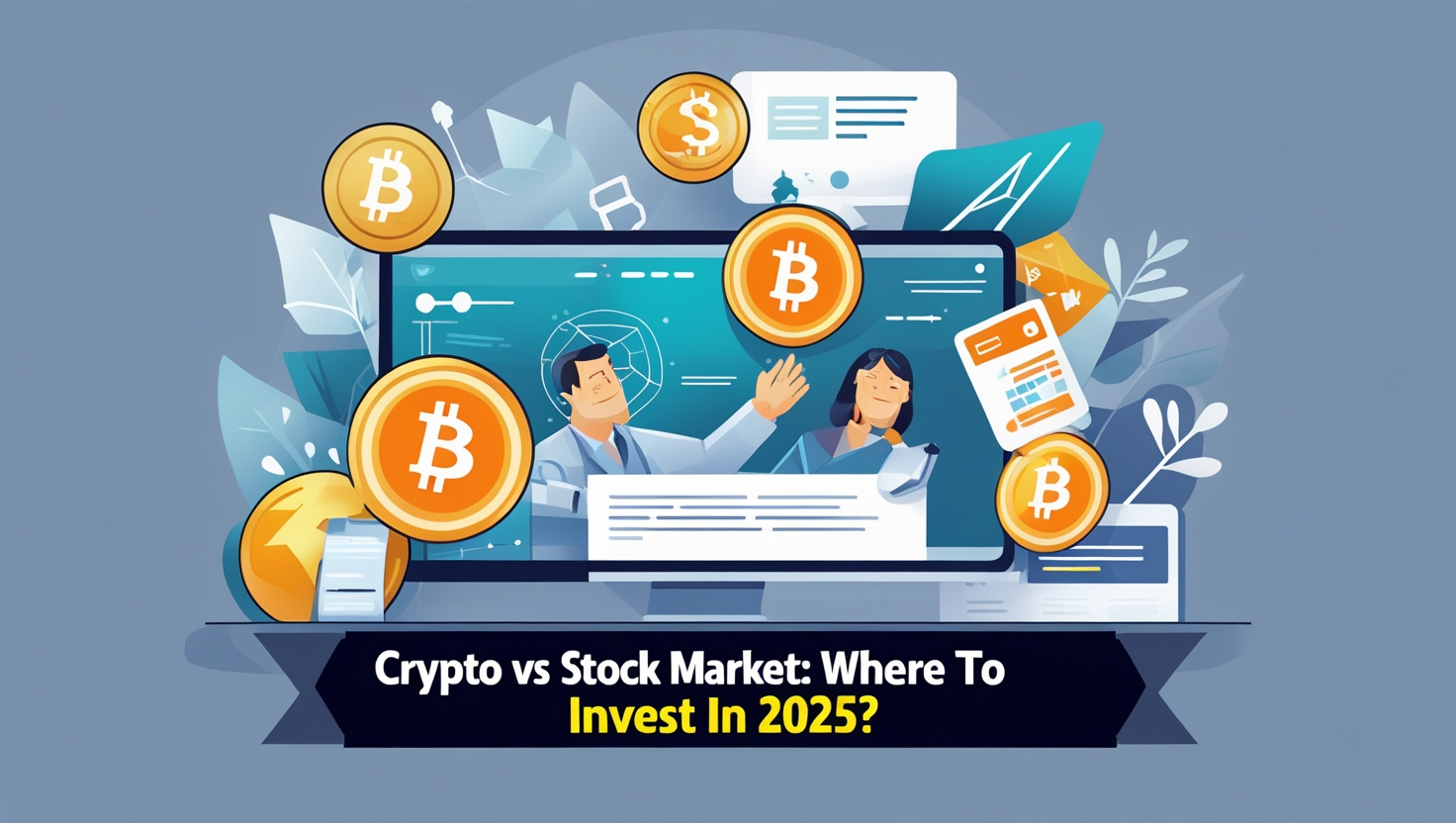
Crypto vs Stock Market: Where to Invest in 2025?

In 2025, more than ever, many people are looking to build wealth by investing 💰. And when the two biggest players– cryptocurrency and the stock market- enter into the mix, things can get a little blurry.

Some people argue that crypto is the future of money 🪙. Others are more confident in stocks and the long-standing tradition of investing 📈.

So where should you put your money this year?

If you are struggling between crypto and stocks, this post will help break it down. We will compare Crypto vs Stock Market in 2025 across important categories, including: risk, return, sustainability, long-term growth, and ease of use for beginners.

Let’s help you make the best decision for your money! Crypto vs Stock Market in 2025🚀

📈 2025: The Stock Market We Know and Love


The stock market is no stranger. It has been and continues to be the one long-term investment we’ve seen generational wealth built on.

In 2025, the stock market is still dictated by mega caps like Apple, Amazon, Tesla, Microsoft and whatever the newest tech industry disrupters arise (think AI, clean energy, biotech).

👍 Pros of investing in the stock market:

  • Specifically regulated and transparent
  • Coming from a real business with revenue and profit
  • Potentially receive dividends form established companies
  • Suitability into ETFs, index funds, mutual funds
  • Historically stable, allows for long-term growth (~8-10%)

👎 Cons:

  • Returns slower than crypto.
  • Requires patience, not for the get rich quick crowd
  • Subject to economic slow downs, inflation, interest rates

So if you’re a long-term investor that just wants to build wealth at a steady, compounding growth — then investing in the stock-market is an excellent place to start 🧱.

Cryptocurrency in 2025: High Risk, High Reward

So now let’s talk about crypto–the wild child of investing 🔥. Since Bitcoin’s inception in 2009, the world of crypto has been widely regarded as a global phenomenon. In 2025, we have more than just Bitcoin and Ethereum, we have flourishing ecosystems like Solana, Avalanche, Polygon and a whole new supply of AI-integrated tokens.

Also, don’t forget there are stablecoins, DeFi (decentralized finance), and the NFT-world, developing more functional real world assets rather than collectables.

✅ Pros of Investing in Crypto:

  • Massive upside potential
  • 24/7 markets (you can buy/sell at any time)
  • Incredible for short-term trading and profiting off volatility.
  • Decentralized and unfallibly flawed by traditional banking.
  • Emerging use-cases in Web3, gaming and decentralized AI.

❌ Cons:

  • Extreme volatility and unpredictability
  • Risk of scams, rug pulls and poorly regulated exchanges
  • No dividends or consistent income
  • Not widely adopted as a daily currency
  • Regulatory uncertainty in numerous countries ⚖️

If you are comfortable with risk and can remain disciplined in a volatile market, crypto could be your fast track to achieving higher levels of profit💹.

📊 Head-to-Head: Crypto vs Stock Market in 2025

Here’s how both options stack up side-by-side in 2025:

FeatureStock Market 📈Crypto 🪙
RegulationStrong government oversightLoosely regulated
VolatilityLow to mediumVery high
AccessibilityRequires brokerage accountEasy via mobile apps/wallets
Market HoursWeekdays only24/7
Returns (2020–2025)~8–15% yearly avg.Can exceed 100% (high risk)
Dividends/IncomeYes, from some stocksNo guaranteed income
SecurityHigh (FIRMS like Vanguard)Depends on wallet security
Ideal ForLong-term, stable investingShort-term gains, tech-savvy

Both markets have their pros and cons, but understanding your own risk profile and financial goals is key to choosing between them.

🧠 Who Should Invest in Crypto in 2025?

Investing in crypto is not a gamble if research and risk tolerance are involved. You may consider crypto if:

  • You are comfortable with large price swings
  • You are already familiar with DeFi, tokens, and wallets
  • You are looking for higher returns in the short-term
  • You are diversifying a portfolio that already has safer investments
  • You are ready to track fast-moving tech developments

Further, younger investors (under 35) may benefit from crypto long-term if they invest within reason and avoid hype-driven “meme coins.”

👨‍👩‍👧‍👦 Who Should Stay in the Stock Market?

The stock market is for you if:

  • You are looking for lower-risk and long-term growth
  • You prefer the regulated platforms, such as Robinhood, Zerodha, or Vanguard
  • You are making investment decisions for retirement, an education fund, or generational wealth
  • You like the idea of owning real pieces of real companies
  • You are not looking to track daily volatility

For parents, conservative investors, and those with savings goals, the stock market will likely be much more appealing and less stressful 🌱.

🧃 Why Not Both? A Balanced Portfolio for 2025

Let’s get real: it doesn’t have to be Crypto vs Stock Market in 2025. It can be Crypto AND Stocks.

A balanced portfolio that includes both:

  • 70% in diversified stocks (index funds, ETFs, blue-chip stocks)
  • 20% in high-growth potential cryptos (including ETH, SOL, MATIC)
  • 10% cash or stablecoins for liquidity and emergencies

With this portfolio you get the stability of the stock market and the growth potential of crypto- a win-win in today’s uncertain economy.

⚠️ Risk Management Guidelines for 2025

Whether you’re investing in crypto, stocks, or both these golden rules hold true:

  • Do not invest more than you can afford to lose
  • Use hardware wallets to store crypto
  • Consider the fundamentals of stocks–not FOMO
  • Be diversified in your portfolio (always avoid ‘all in’ in a single asset)
  • Stay learning 📚–investing is always changing

And most importantly–maintain your emotional discipline. Do not panic sell. Don’t rely on influencers on Twitter. Trust your own research and vision for the long-term.

🔚 Final Thoughts: Where Should YOU Invest in 2025?

If you’re evaluating whether to invest in crypto vs stock market in 2025, it’s really based on:

  • 🧠 Your tolerance for risk
  • 🎯 Your desired financial outcome
  • 🕒 Your length of time to keep your investment
  • 🧰 The resources at your disposal, i.e. your level of knowledge and investment tools available to you.

If you like stability, then stocks are for you.
If the attractiveness of innovation is worth volatility and risk, and you are prepared to be at risk, then check out crypto.
If you are smart–be diverse and reap the benefits of both worlds 🌍.

Wherever you choose to invest in 2025, consistency kills volatility. Continue to learn, keep focused, and keep making your money work for you. 💼📈

Why Try Expert Sudoku?

Moving ahed thinking about creating and making money through crypto and Stock market is a fine way , but there are many conditions where if that fits means you can safely invest but some conditions like taking debt for investing , is a wrong idea , but doing SIPs , will be great , so for this kinds of specific and trusted financial tips , read our blogs carefully.

Ready to sharpen your focus and enjoy a mental workout? Start playing free online sudokuo.com today—no sign-up, no cost, just pure logic fun. Play Sudoku and do some brain exercise.

Renting vs Buying a House: Which is Better in 2025?

When choosing a place to live, one of the most significant financial decisions you will make is whether to rent or own a house. Each has its unique benefits and drawbacks, and whether it is best for you is based on your lifestyle, finances, and future intentions. 💼📊 , in the further blog we will see to whether rent or buy a house

In this blog, we will outline the notable benefits and drawbacks of renting vs. owning, dispel a few myths, and guide you in deciding what may be best for YOU in 2025. From this the doubt of rent or buy a house will be clear.

🛋️ Understanding Renting a Home

Renting means you are paying a landlord to live in their property at an agreed upon fixed monthly amount. You are not the owner of the property, and generally, you have a lease that outlines terms of your stay (usually 6-12 months).

✅ Pros of Renting:

  • Flexibility: It is easier to move cities, experiment with different neighborhoods or try out new living situations.
  • Lower upfront costs: Usually only first month’s rent + security deposit.
  • Maintenance-free: Repairs and upkeep usually fall to a landlord.
  • Access to amenities: Many apartment compounds come with access to gyms, pools, security and etc.

❌ Cons of Renting:

  • No equity: Your monthly lease payments do not go towards ownership.
  • Rent increases: Costs can go up every time you renew your lease.
  • Limited customization: No significant renovations and no personalizing.
  • Lease restrictions: May have to follow pet policies or guest limitations or noise restrictions.

🏡 What It Is to Acquire a Home

Acquiring also means purchasing a home and owining the property. In most situations you are likely borrowing money in a form of a mortgage and your monthly payments are likely going toward owning that house.

✅ Benefits of Acquiring and Owning

  • Building Equity: You are investing in an asset that can show appreciation in value.
  • Stability: Fixed mortgage rates allow for consistent monthly payments.
  • Customization: You can paint, renovations, and designing whatever you want.
  • Tax benefits: Certain mortgage interest and property taxes may be deductible.

❌ Downsides of Acquiring and Owning:

  • High up-front costs: Downpayment, closing costs, inspections, etc.
  • Maintenance: There is some responsibility to maintain, pay for repairs, etc.
  • Less mobility: Acquiring and owning can inhibit mobility. If you need to relocate, it can it could take time and money to sell and relocate.
  • Market risks: Property values can decline based on market trends.

💰 Cost Comparison: Renting vs Buying

If we say you are comparing:

  • Rent: $2,000/month in a large city
  • Buy: $400,000 home with 10% down (($40,000)

Renting:

  • No property tax or maintenance
  • Cost: $24,000/year

Buying:

  • Mortgage (5.5%): ~$2,043/month
  • Property tax, insurance, HOA: ~$700/month
  • Maintenance & repairs: ~$1,500/year
  • Cost: ~$34,000/year (not including equity build-up)

📌 Note long term: 5–10 years out home ownership may start to pay off a lot more depending on appreciation and tax savings.

🧠 You Should Rent If:

  • You are unsure about where to settle
  • You are working remote and will likely want to travel and move consistently
  • You want to save more money to buy a larger home in the future
  • You don’t want hassle with living

🧠 You Should Buy If:

  • You want to live in the same area for 5+ years
  • You have a savings for a down payment
  • You want to create wealth through property
  • You are ready for a long-term commitment

🔍 Myths and Realities about Renting and Buying

“Renting is wasting money.”

No! You’re paying for a place to live and flexibility. Renting provides you with freedom that ownership doesn’t.

“Buying is ALWAYS an investment.”

Buying a home is only an investment if the property appreciates over time. Real estate is cyclical, and buying property always comes with costs.

“Owning means you’re wealthy.”

Many homeowners are “house poor,” spending most of their income on housing costs. Renting may be a more affordable option!

🏙️ Urban vs Suburban Trends in 2025

It is predicted by 2025:

  • Urban renting will be more favorable because of lifestyle amenities (walkability, work hubs, etc.)
  • Suburban buying will be hot, particularly with families and remote workers
  • Hybrids (buying smaller second homes for rental income) are coming on strong

So location matters in the assessment of whether renting or owning is right for you.

🔄 Renting Now, Buying Later?

This is a common path:

  • Rent while twenty-something to early-thirties
  • Save as aggressively as possible (using Roth IRA or HYSAs)
  • Buy first home when reasonably stable, both financially and career-wise

A smart strategy could be while you are renting to save the money you would have used to do home maintenance or taxes by investing it instead.

📈 Financial resources for your decision

  • Rent vs Buying Calculators: NerdWallet, Bankrate, SmartAsset
  • Budgeting Tools: YNAB, Mint, Monarch Money
  • Investment Projections: ChatGPT + Excel or Robo-Advisors

Use these to compare what is really better in your case.

👨‍👩‍👦‍👦 Life Stages and Implications

Young Professional:

Rent. Enjoy flexibility. Test a city. Build your income growth.

Family:

Buying gives space, stability and schools – just make sure you feel comfortable about the market value.

Retiree:

Buying straight out may be the best option if downsizing (cash offers leverage). Renting may make more sense if moving with frequency.

🎯 Final Verdict: It’s Personal

There is no right answer. Renting is not “wasting money” and buying is not “smart money” without rationale.

In 2025, smarter is what supports your financial health, lifestyle and career flexibility.
👉 Think of the long term. Leverage the tools. Get a financial advisor if needed. And don’t forget: whether renting or buying, the home should support your life change, not become stressful.

🧩 Bonus Tip:

If you are not yet prepared to buy a home, consider investing in real estate through investments such as REIT’s (real estate investment trusts) or crowdfunding like Fundrise. That way you are still putting your money in the property without being the absolute owner , as it will clarify the idea of rent or buy a house

Why Try Expert Sudoku?

The plan of buying house or renting house are both great , but the answer of this question depends on the circumstances of the person , if he did’nt have money on hand , and is young , renting will be great , but the person is having a good job , he can take a loan and buy a house , as it will save him from future bumping of real estate prices. So as per our information , take the decision carefully whether rent or buy a house.

Ready to sharpen your focus and enjoy a mental workout? Start playing free online sudokuo.com today—no sign-up, no cost, just pure logic fun. Play Sudoku and do some brain exercise.

How to Make Money on YouTube in 2025 (Complete Guide for Creators)

The opportunity to earn money from YouTube has never been more viable than in 2025. Whether you want to transition from your 9-5 to work full-time doing something you’re passionate about, or you want to earn some side income, YouTube is a great option for creators. However, in 2025, and with new rules, new trends, new reasons to create and new competition, how do you really monetize a YouTube channel? That’s why we have put together this guide, where you can learn the best methods to make money from your YouTube channel whether you are just starting with zero subscribers or have an established audience. 🚀 Let’s get started! 🎥✨

1️⃣ Become a part of the YouTube Partner Program (YPP)

As a new creator, the first big milestone in your monetization journey is joining the YouTube Partner Program, otherwise known as “YPP.” This will allow you to start generating income from the ads that are placed on your videos.

Requirements to become YPP in 2025:

  • 500 subscribers
  • 3,000 eligible public watch hours in the prior 12-months OR 3 million Shorts views in the past 90-days
  • 2-Step Verification turned on in your account
  • No active Community Guideline Strikes

If you are accepted, you will be earn money from display ads, overlay ads, skippable video ads, etc. 💸

Pro Tip: Don’t solely rely on ads to earn income. While revenue from ads is usually a good start to earn income, you cannot monetize a YouTube channel using only ads in 2025. You will need multiple income streams.

2️⃣ Affiliate Marketing 💸

Affiliate marketing is a fantastic way to earn money with a YouTube channel in 2025. Affiliate marketing allows you to earn a commission from promoting products or services that you actually love. Here’s how it works:

  • You sign up for an affiliate program (Amazon Associates, ShareASale, Impact, or niches-specific programs).
  • You would put a unique tracking link in the description of your video.
  • When your audience clicks your link and buy something, you receive a commission.
  • Popular niches and affiliate partners (just to name a few!):
    🎮 Gaming → PC hardware, gaming accessories, digital downloads
  • 💪 Fitness → supplements, workout gear, online courses
  • 💻 Tech → gadgets, software tools, SaaS programs
  • 🎨 DIY & Crafts → art supplies, online workshops

👉 Do not forget to disclosure any affiliate links to maintain the trust of your audience.

3️⃣ Sell Your Own Products or Services

Selling your own products or services is among the best ways to monetize a YouTube channel in 2025. You get rid of the middleman and keep most of the revenue. Product ideas for creators:

  • 🎓 Online Courses → Teach any skill you are proficient at
  • 📕 Ebooks & Guides → Share your experiences or knowledge
  • 🧢 Merchandise → Branded shirts, hats, mugs using a service like Printful or Teespring
  • 🎧 Digital Downloads → Music, templates, graphics

Use your videos to show how your product helps solve a problem or improves the lives of your viewers. People love purchasing from creators they know and trust.

4️⃣ Collaborate With Brands (Sponsorships)

Brand sponsorships will continue to be one of the most profitable ways to monetize a YouTube channel in 2025. Brands will continue to pay creators to authentically promote their products.

You do not need millions of subscribers to get brand deals! In fact, many brands are actively looking to collaborate with micro influencers that have smaller, more engaged audiences.

How to get sponsorships:

  • Create a media kit with your channel statistics and audience demographics.
  • Reach out to any relevant brands directly or use one of many available platforms such as:
    • Famebit
    • AspireIQ
    • YouTube BrandConnect

Tip: Only work with brands that fit your audience and niche. Authenticity is more important than ever.

5️⃣ Provide Crowdfunding & Memberships

To create recurring income, you can offer your most dedicated fans a chance to help support you through memberships or crowdfunding.

  • Some options include:
    YouTube Channel Memberships → Fans pay a monthly fee (starting from $4.99) for certain exclusive bonuses for them like badges, private videos, or members only live streams.
  • Patreon → Provides greater flexibility that allows you to create many membership tiers with different rewards.

Many creators are able to earn thousands of dollars a month from just a few hundred loyal followers. It is an excellent way to leverage a YouTube channel in 2025 while strengthening relationships within your fanbase. 💖

6️⃣ Enable Super Chats & Super Thanks

Super Chats and Super Thanks could provide additional revenue if you go live or premiere videos on a regular basis.

  • Super Chat – Viewers pay to pin their messages in a live chat.
  • Super Thanks – Fans can also tip you on non-live videos.

When your fans donate, engage with them! Personal interactions compel your audiences to contribute. 🎤🪙

7️⃣ Increase Visibility Using YouTube SEO

You can’t monetize a YouTube channel in 2025 if no one watches your videos! Understanding YouTube SEO is essential for growth.

  • SEO Tips:
    Use your target keyphrase (for example, monetize a YouTube channel in 2025) in your title and description.
  • Add timestamps, hashtags, and closed captions.
  • Use attention-grabbing thumbnails to improve click-through rates.
  • Use tools like TubeBuddy or VidIQ to assist with keyword research.
  • Upload on a regular schedule (weekly is ideal).

Keep in mind – YouTube is a search engine, so optimize your content so people can find it!

8️⃣ 💡 Keep Up with the Trends in 2025 💡

The creator landscape continues to change. Be prepared to jump on these trends to monetize a YouTube channel in 2025 :

  • YouTube Shorts Monetization → The amounts paid out for Shorts are now higher than ever, and short-form video is the hottest it’s ever been since YouTube emerged! It is not dead, and don’t forget about it!
  • AI Tools → With AI, you can use AI to edit, generate captions, repurpose, analyze performance, and much more.
  • Multilingual Channels → Adding translations leads to reach a much larger audience 🌍.
  • Collabs → Collaborating with other creators in your niche help facilitate faster growth of your channel and offer you an opportunity to gain valuable new fans.

Conclusion 🎯

Monetizing a YouTube channel in 2025 is not showing up every once and awhile making viral videos. You are building a community and adding real value because you see the value in your content. The more you can engage with and serve your audience, the greater variety of income generating opportunities will present themselves to you.

So here is a quick recap :
✅ Join the YouTube Partner Program
💸 Utilize Affiliate Marketing
🛍️ Sell Your Own Products/services
🤝 Get Brand Sponsorships
🎁 Memberships, Crowdfunding
💬 Super chats, Super thanks
🔎 Use YouTube SEO
🚀 Keep up with newest trends

You can do this! Start small, stay consistent. Remember, your next video might change your life! 📹💵

Why Try Expert Sudoku?

Moving ahed thinking about creating and making money through youtube channel is great and proactive idea but it will require consistency and patience , once your videos will start reaching the audience , it will boom suddenly , and then the results will definatly show up.

Ready to sharpen your focus and enjoy a mental workout? Start playing free online sudokuo.com today—no sign-up, no cost, just pure logic fun. Play Sudoku and do some brain exercise.